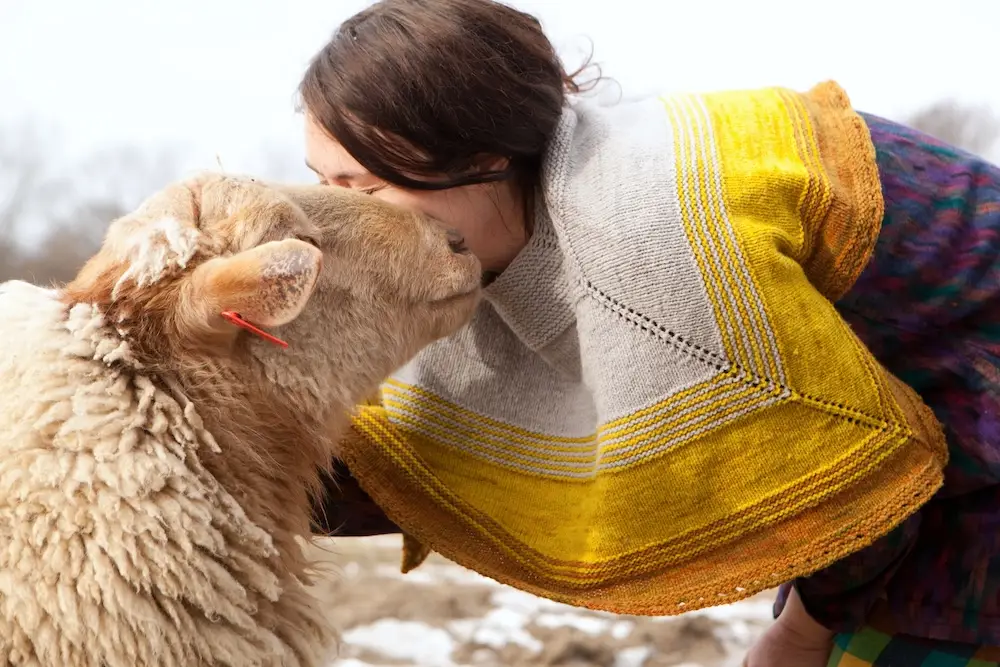
Made with breed-specific wool that’s grown, dyed, and spun in the Northeast US, the gorgeous yarns of Jill Draper Makes Stuff have been shop favorites since we first introduced them back in 2013 – so we’re delighted to be featuring them for our Local Yarn Store Day celebration this year!
For LYS Day on Saturday, April 25, we’ll have a trunk show of patterns in Jill’s yarns, freshly restocked shelves of JDMS yarn, and even a little gift of honey from a farm in upstate New York who provides the Rambouillet wool that Jill uses for her yarn Empire.
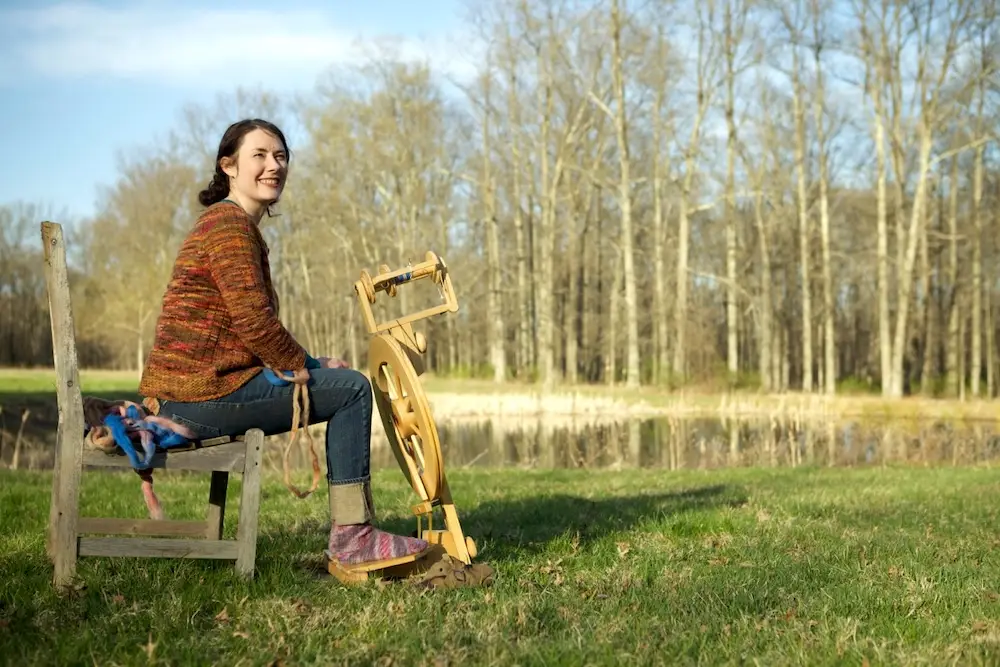
One of the reasons that we love Jill Draper’s yarns so much is her commitment to supporting her neighbors in the Hudson Valley in the sourcing of her wool. This is no easy feat at this time in our industry, when a variety of factors have seen several American-made yarn brands disappear. Jill’s yarns can be found in several yarnistas’ closets, and we each feel a special connection to the wool and the story of how it was made when we wear our JDMS projects.
Why is local and breed-specific wool important? Hundreds of sheep breeds have been developed over centuries to thrive in their local ecosystems and to produce wool with specific qualities for specific uses – sturdy, lustrous longwools for weaving, soft, fluffy finewools for garments, and a whole range of woolly traits in between. By designing yarns in breed-specific wool, Jill highlights the unique characteristics of each fibre, supporting small farmers and showcasing the many beautiful breeds of sheep while appreciating the work of each person and animal involved in the process.
We caught up with Jill recently to ask about her design philosophy and the current state of yarn making in the US:
A thing that I think makes JDMS yarns special is that I design each one from the fiber up. I buy the wool directly from the people that raise it without middlemen, assuring they get the most money per pound for the hard work they do, then I work with the mills on the twist, plies and even grist. Having a degree in Fashion Design and many semesters of Fabric Science set me up to be able to have the exact yarn I want made into reality.
In the 15 years I’ve been making yarn in the US it has only gotten harder every year. As with all things, costs have gone up, but in addition to that, many mills, dye houses, and farms have closed in recent years, leaving few options for on-shore manufacturing even as people seem to be more interested in domestically produced products. There are only two large commercial wool scouring facilities left in the States, one with a minimum order size of 40,000 pounds, so this leaves basically one facility for all the companies of a similar size to mine to work with, which seems wild.
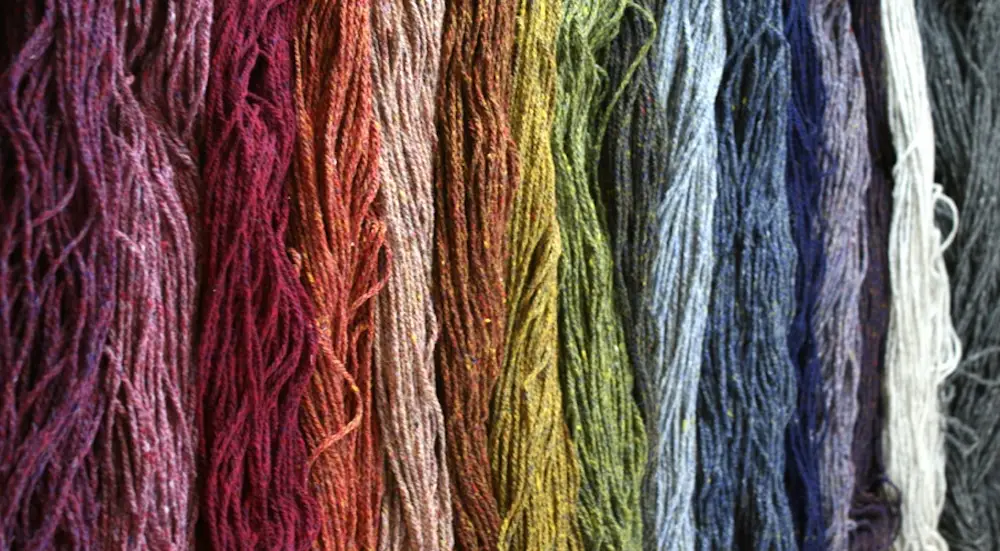
Every single color in the line starts with only primary colors, there are only 5 dyes in the whole studio, a warm red, a cool red, a warm blue, a cool blue, and a yellow. Kingston (shown above) starts with wool dyed in one of 4 shades (red, blue, yellow, black) plus the natural undyed wool, and all 16 colors are made by blending these.
Which breeds will you find in our Jill Draper yarns? Look for Dorset (Ellsworth), Rambouillet (Empire), Targhee (Kingston), and Black Mountain Welsh (Amalgam) wool sourced from farms in upstate New York, plus Merino (High Plains) raised in Montana. Spun at Green Mountain Spinnery in Vermont and Harrisville Designs in New Hampshire, these all-American yarns are as local as it gets!